Community Events
Bringing families, educators, and community partners together to promote healthy development,
early identification, and school readiness through education, screenings, and outreach.
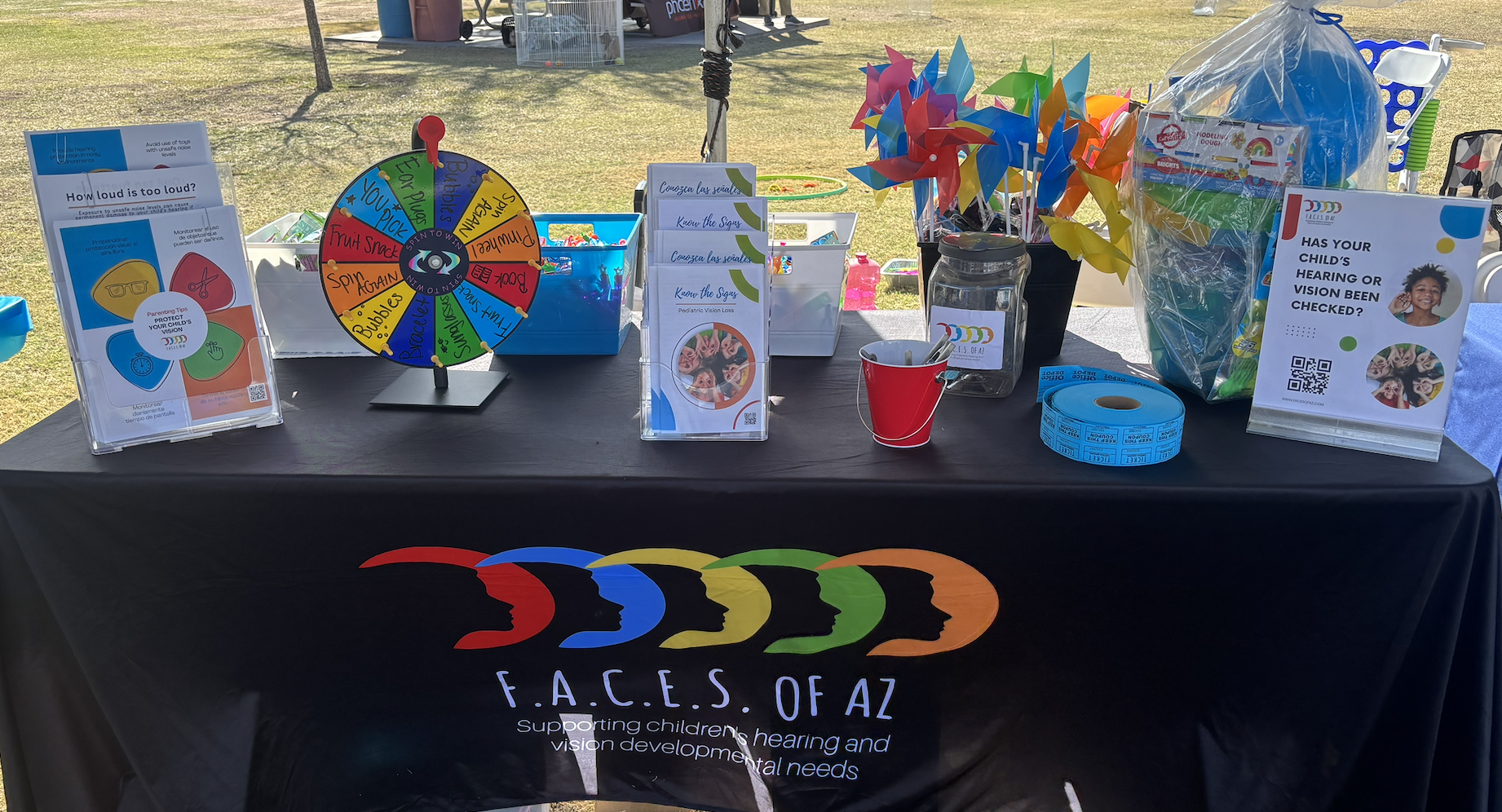
Locate FREE Hearing & Vision Screenings Near You
-
![]()
Saturday, Aug 15
Children’s Museum of Phoenix
Special Night of Play
215 N. 7th St.
Phoenix, AZ 85034
5:00-7:00 pm -
![]()
Saturday, Sep 12
Family Connections Fair
11200 N 83rd Ave
Peoria, AZ 85345
10:00 a.m to 1:00 p.m. -
![]()
Saturday, Oct 10
Native Health Open House
4041 N. Central Ave.
Phoenix, AZ 85012
10am-2pm -
![]()
Sunday, Oct 25
Children’s Museum of Phoenix
Special Night of Play- Trick or Treat
215 N. 7th St.
Phoenix, AZ 85034
5-7pm -
![]()
Saturday, Nov 14th
15832 N. Hollyhock St.
Surprise, AZ 85374
TBD -
![]()
Sunday, Dec 6
Children’s Museum of Phoenix
Special Night of Play- Holiday Edition
215 N. 7th St.
Phoenix, AZ 85034
5-7pm




What to expect during your child’s vision screening
Visual Inspection
A visual inspection will be completed of your child’s eyes followed by the completion of an evidenced based, age appropriate vision screening method used to assess the function of your child’s eyes in order to determine if there is a vision concern in the right or left eye. If a concern is identified, further evaluation will be recommended.
Optotypes (Vision Charts)
The Optotypes screening method consists of standardized charts that are used to identify concerns with your child’s acuity or ability to see clearly up close or at a specified distance. Your child is taught to identify symbols or letters verbally or through a simple matching task. This screening method is recommended for children over the age of three.
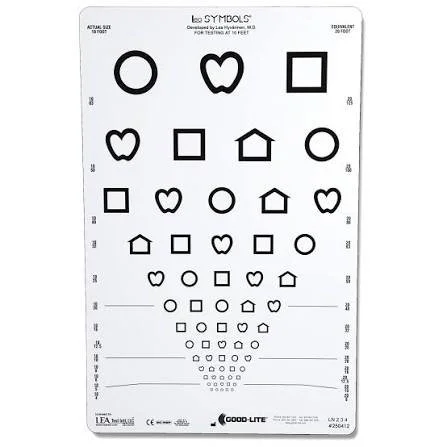
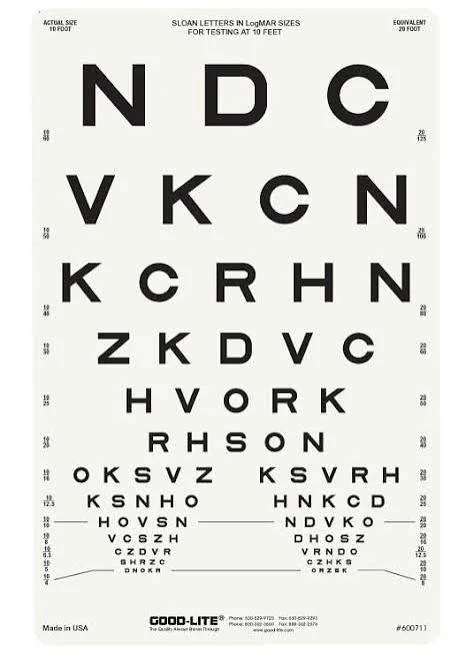
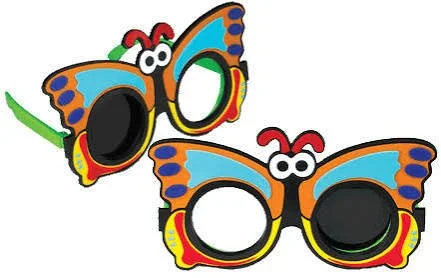
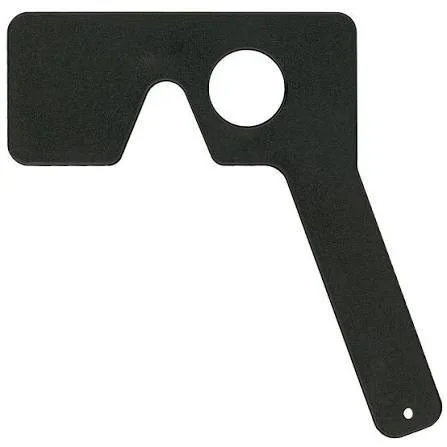
Stereopsis
Stereopsis is a vision screening method that evaluates how well your child's eyes work together to perceive depth (3D vision). During the screening, your child wears special glasses and looks at a series of pictures or symbols to identify an image that appears to stand out. This helps identify potential concerns that may require further evaluation by an eye care professional.

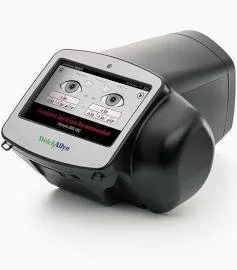
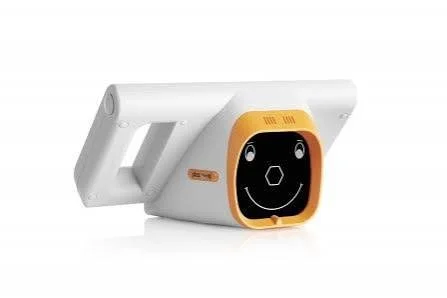
Instrument Based Screening
The instrument based screening method consists of photo screeners or auto-refractors that provide a standard measurement to identify concerns with your child’s eyes. This screening method is recommended for children under the age of three or children who are not able to provide a reliable response to optotype screening.
What to expect during your child’s hearing screening
Visual Inspection
A visual inspection will be completed of your child’s ears followed by the completion of an evidenced based, age appropriate hearing screening method used to assess the function of your child’s ears in order to determine if there is a concern in the right or left ear. If a concern is identified, further evaluation will be recommended.
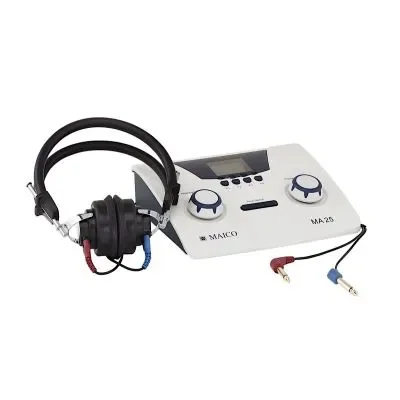
Pure Tone Audiometry
The Pure Tone Audiometry screening method consists of sounds that are presented through headphones placed over your child’s ears. Your child is taught to respond to the sounds by raising their hand or demonstrating other simple tasks in response to the series of tones that are presented to each ear. This screening method is recommended for children over the age of three.
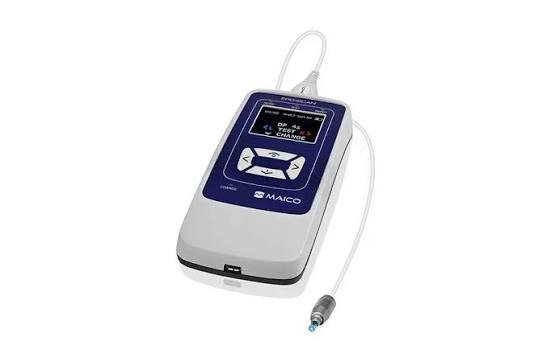
Otoacostic Emissions (OAE)
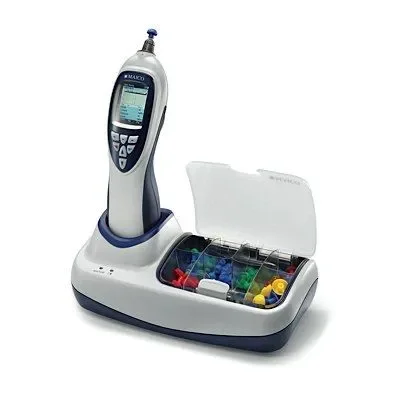
The Otoacoustic Emissions screening method consists of sounds that can be measured with a small probe inserted into the ear canal. This screening method is recommended for children under the age of three or children who are not able to provide a reliable response to Pure Tone Audiometry screening.
Tympanometry
Tympanometry is a screening method that evaluates how well the middle ear is functioning. A soft probe is gently placed at the opening of your child's ear canal. This screening helps identify possible middle ear concerns and can be completed on children of all ages without requiring them to respond.